
Reviewed · PORT LOUIS STREET FOOD TOURS
Street Food Private Tour in Port Louis
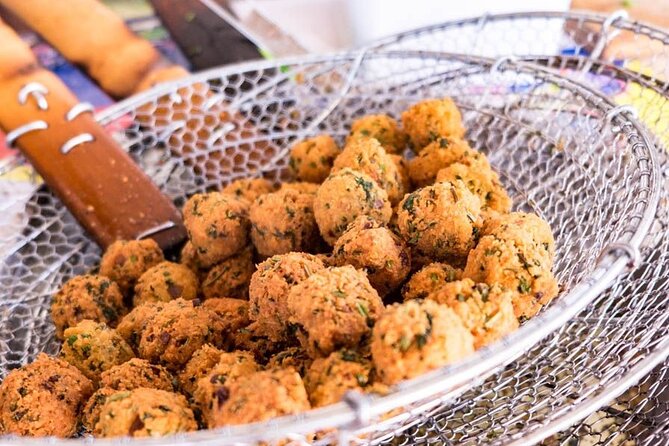
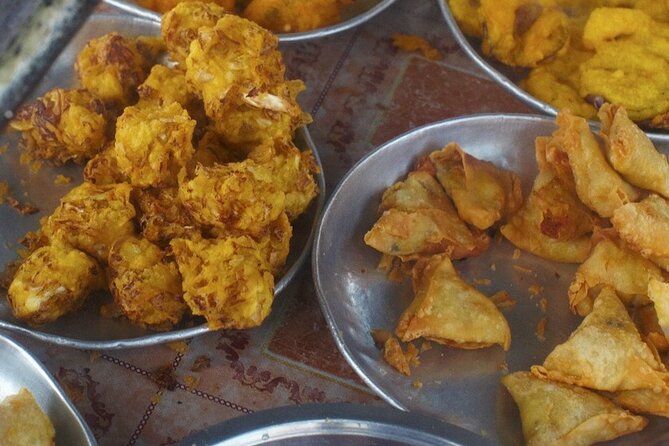
Mauritius makes its cultural story easy to taste. On this three-hour Port Louis food walk, you move from Central Market toward Chinatown, sampling Gujarati-influenced snacks such as deep-fried gato pima and chili bites, then trying Hakka dishes along the way.
I like the small group size, capped at six, because it gives your guide room to explain what you are eating and adjust the pace. I also like the cultural framing, especially with guide Christopher, who has been praised for connecting the food to Mauritius’s history and communities. The main caution is value: at $69 per person, you should expect a generous spread and useful commentary to feel the price is justified.
Key points to know before booking
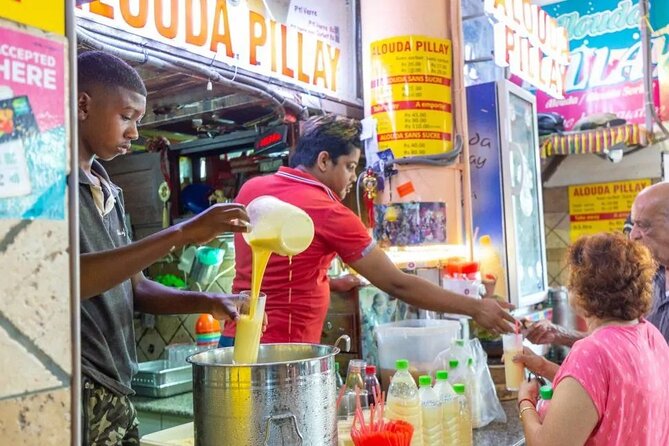
- Gujarati and Hakka flavors in one walk: Taste chili bites, gato pima, and several Chinatown specialties.
- A genuinely small group: No more than six people means easier conversation and a more flexible pace.
- Christopher may be your guide: He is especially strong at explaining the cultural background behind the food.
- Central Market admission is included: The market gives the tour a useful starting point among everyday food stalls and shops.
- Come hungry and wear comfortable shoes: The food portions can add up, and the experience involves walking.
- Accessible for wheelchairs and strollers: The activity is listed as wheelchair and stroller accessible, with most people able to take part.
Why Port Louis food tells the Mauritian story
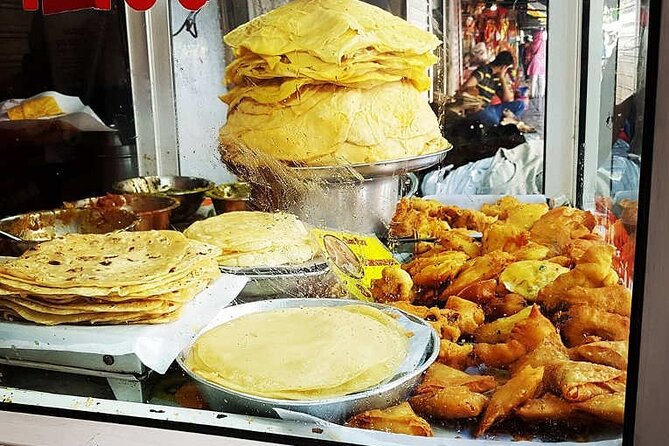
Mauritian cooking is not one narrow tradition. It reflects the island’s many communities, and street food lets you see that mix in a direct, affordable form.
This tour focuses on Gujarati-influenced foods and Hakka cooking, two threads that help explain why Port Louis tastes different from many other island capitals. You are not simply eating snacks. You are seeing how migration, trade, family customs, and daily city life meet at the food stall.
That cultural angle matters. A plate of fried dough or a bowl of rice can seem ordinary if nobody explains it. With the right guide, you begin to understand why a particular snack appears in the market, how it fits into local habits, and how different communities have shaped the national cuisine.
The strongest part of the experience is likely to be this connection between food and place. Guide Christopher is praised for giving cultural context early in the walk, then carrying that explanation into the tastings. That approach helps you remember the meal long after the last bite.
More port louis street food tours in Mauritius:
- Port Louis: Street Food & City Tour
★ 4.7 · 518 reviews - Port Louis: Street Food & City Tour
★ 4.9 · 377 reviews - Port-Louis Street Food Tour
★ 5.0 · 264 reviews
Starting around Central Market
Central Market is a sensible place to begin. It puts you close to the ingredients, vendors, and everyday shopping that support Port Louis cooking.
The tour information describes Central Market as the first stop and confirms that admission is included. It also gives Caudan Waterfront as the meeting point at 11:00 a.m., so check the exact starting instructions carefully before setting out. The supplied details identify Caudan Waterfront, Marina Quay, as the start, while Central Market is described as the opening food stop.
That distinction is worth noting because Port Louis is easier to enjoy when you arrive at the right place and on time. The activity ends back at the meeting point, which makes the route simpler to fit into a day of sightseeing.
Inside the market, expect food stalls and shops rather than a formal restaurant setting. This is where the experience can feel most connected to local life. You get a look at the place where food is bought and sold, not just a prepared tasting arranged for visitors.
Central Market also gives your guide a natural setting for an introduction to Mauritian cuisine. You may hear how the island’s Creole cooking developed and how Indian, Chinese, and other influences appear in everyday dishes.
Do not expect a quiet environment or a carefully staged culinary class. The appeal is the ordinary city market, with its practical pace and working-food atmosphere. If you prefer polished dining rooms, this will feel rougher around the edges. If you want to understand what people eat in the city, that is part of the point.
Gato pima, chili bites, and Gujarati influence
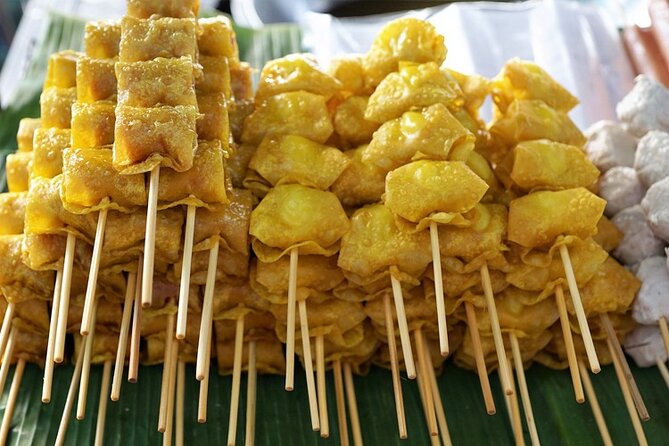
The first food theme is Gujarati-influenced street food. Gato pima, also spelled gateau piment, is a deep-fried chili bite made with split peas and seasoning. It is a classic Mauritian snack, and it gives you a quick sense of how filling, inexpensive foods become part of daily life.
The tour also includes chili bites and other Gujarati-influenced foods. Since the exact tasting menu can vary, you should think of this as a broad introduction rather than a fixed restaurant menu.
These snacks are useful early in the walk because they are easy to share and compare. You can pay attention to spice, texture, and the way fried foods are used as quick meals or snacks. A good guide will help you understand what makes each bite distinct instead of simply handing you food and moving on.
Christopher receives the strongest praise for balancing food with explanation. That balance is important here. Without context, several fried snacks might blur together. With a clear explanation, the food becomes a small lesson in Mauritius’s Indian and Gujarati connections.
There is also a practical point: come with an empty stomach. One of the strongest comments about this experience is that there was so much food that it was hard to do justice to everything. That makes the tour attractive for serious eaters, but it may be too much if you have already had a large breakfast or are not comfortable with several tastings in a row.
Walking through Chinatown for Hakka dishes

The route continues through Chinatown, where the focus shifts to Hakka dishes and other Chinese-influenced foods.
This part gives the tour a useful change of pace. Instead of spending the entire walk on fried snacks, you get to see another side of Port Louis cooking. The Hakka presence is an important part of Mauritius’s food culture, and Chinatown offers the setting for that story.
The exact dishes are not specified, so you should not book this expecting one particular noodle, dumpling, or rice preparation. You will try several Hakka foods, but the selection can depend on what is available during the tour.
That flexibility is normal for a street-food walk. It can also mean that the experience is less predictable than a set tasting menu. I would see this as a strength if you enjoy local food as it is found that day, but a drawback if you want precise menu details before paying.
The walk through Chinatown is also about seeing how food businesses fit into the city. You may pass shops and food counters where cooking, shopping, and conversation happen side by side. The setting helps you understand that Mauritian cuisine is not divided neatly into separate boxes. Indian, Chinese, Creole, and other influences overlap in the same city.
The cultural explanations are especially valuable at this stage. Christopher has been praised for his grasp of Mauritian history and culture, and this is where that background can make the biggest difference. You are tasting individual dishes, but you are also following the story of how communities helped shape Port Louis.
A few more Mauritius trips to weigh up
- Mauritius: Port Louis Street Food Walking Tour
★ 4.5 · 93 reviews - Mauritius: Snorkeling with Turtles & Port Louis Street Food
★ 4.4 · 61 reviews - Mauritius: Sights of the South Private Tour with Rum Tasting
★ 4.7 · 42 reviews - Mahebourg Village Food Tour
★ 5.0 · 35 reviews
How much food should you expect?

The tour lasts about three hours, and the food is not limited to one or two token samples. The tasting can be substantial enough that you may struggle to finish everything.
That is good news if you are booking this as a meal replacement. It is less helpful if you planned to eat a full lunch immediately afterward. The start time is 11:00 a.m., so the walk sits neatly between breakfast and lunch, but I would keep your morning meal light.
The tasting format also affects the pace. You are walking, stopping, listening, and eating rather than sitting down for a long meal. Wear comfortable shoes, especially because the food itself is only half the experience. The city streets, market, and Chinatown are part of the route.
One useful feature is the small group limit. With no more than six people, it is easier to hear explanations and ask questions about unfamiliar foods. A larger group could make market stops awkward, especially when ordering or sharing dishes. Here, the guide can keep the group together without making the walk feel like a procession.
There is evidence that the pace can be adjusted. Christopher adapted the walk for a couple when one person was unwell and reduced the amount of walking. That does not guarantee a custom route for every booking, but it suggests that you should speak up if you need a slower pace or shorter walking sections.
The $69 price and what you receive
At $69 per person, this is not the cheapest way to eat in Port Louis. You could buy individual street snacks for far less.
The price makes more sense if you value three things: the guide, the number of tastings, and the ease of finding food in an unfamiliar city. You are paying for a structured route, Central Market admission, cultural interpretation, and a small group capped at six.
I would call the value good for someone who wants a guided introduction and plans to use the information later during the trip. You may discover foods and neighborhoods that you would not confidently choose alone. The guide also saves you from spending your first hour in Port Louis guessing what to order.
Still, the experience is not automatically worth the price for everyone. One poor account describes the city commentary as limited and objects to a final biryani stop that felt unhygienic. That concern should not be ignored. Street food often comes with basic surroundings, and standards may not match a hotel or formal restaurant.
The key question is what you want from the tour. If you expect a polished culinary event with restaurant-level presentation, $69 may feel high. If you want a filling introduction to Mauritian food with a guide who explains the culture, the cost is easier to defend.
The strongest experiences depend heavily on the guide. Christopher receives repeated praise for his balance of food and cultural explanation, so his presence may shape the quality of your walk. If another guide leads your departure, you may want to confirm who is scheduled if that is important to you.
Hygiene, comfort, and accessibility
Street food is part of the appeal, but you should set realistic expectations about surroundings. You may eat at market stalls, small shops, or modest food counters. One stop has been criticized as unhygienic, so anyone with a low tolerance for rough food settings should consider that before booking.
That does not mean every stop will be uncomfortable. It does mean you should approach the walk as an introduction to everyday food, not a sanitary inspection or fine-dining lunch.
The activity is listed as wheelchair and stroller accessible. Most people can participate, and the meeting point is near public transportation. The small group also helps with communication if you need a slower pace or extra room.
You should still check the practical conditions on the day. Market areas can be crowded, and the route includes walking between food stops. The available information confirms accessibility, but it does not provide details about every surface, doorway, or restroom.
Weather matters too. The activity requires good weather. If poor weather causes cancellation, you are offered another date or a full refund. This is useful to know in Mauritius, where a wet day can change the comfort of a walking food tour quickly.
Who will enjoy this Port Louis food walk?
I would recommend this experience to you if food is one of your main ways of understanding a place. It suits curious eaters who want to try several items in one morning and hear why those foods matter.
It is also a good fit if you are visiting Port Louis for the first time and want a guided orientation. The route brings together Central Market, Chinatown, and Caudan Waterfront, giving you a practical sense of how the city’s commercial and food districts connect.
Small groups make the tour appealing to solo visitors, couples, and families who prefer conversation over a large coach-style outing. The group limit of six is one of the clearest benefits.
You may want to skip it if you are looking for a short, polished, restaurant-based tasting. You should also think twice if you dislike fried food, prefer a fixed menu, or need detailed information about every dish before eating it.
The tour may not satisfy you if your main goal is a broad historical tour of Port Louis. The food and culture are the focus. You will get some city context, but do not book it expecting a full sightseeing walk with extensive commentary at every landmark.
Booking advice for a better morning
Book with enough notice if your schedule is fixed. The experience is often reserved about 29 days ahead, which suggests that the small group limit can make availability tighter than a standard city walk.
Arrive at the correct meeting point and allow time to find it. The supplied information names Caudan Waterfront, Marina Quay, as the start at 11:00 a.m., while Central Market is identified as the first stop. Confirm the current meeting instructions before you go.
Eat lightly beforehand, wear comfortable shoes, and keep lunch flexible. The tasting can be generous, and you will enjoy it more if you are not rushing to another meal.
If you have mobility needs, use a stroller, or are traveling with someone who tires easily, tell the provider in advance. The activity is listed as accessible, and the guide has adapted the pace for an unwell participant, but clear communication gives you the best chance of a comfortable outing.
The free cancellation policy is useful if your plans are uncertain. You can cancel at least 24 hours before the start time for a full refund. Changes or cancellations inside that window are not accepted, and poor weather may lead to a new date or a full refund.
Should you book it?
Book this Port Louis food tour if you want a filling, small-group introduction to Mauritian street food and value a guide who can explain the culture behind the dishes. The combination of Central Market, Gujarati-influenced snacks, Chinatown, and Hakka food gives you a broader taste of the island than a single restaurant meal.
I would be especially inclined to book if Christopher is leading the walk, since his cultural explanations and flexible approach are major strengths. Go with an open mind about simple surroundings and a menu that may not be fixed.
Skip it if $69 feels high for street food, if hygiene concerns would spoil the experience, or if you want a formal meal with exact dishes and polished service. For curious eaters who arrive hungry and wear good shoes, this is a practical way to let Port Louis explain Mauritius one bite at a time.
FAQ
Where does the tour start?
The meeting point is listed as Caudan Waterfront, Marina Quay, in Port Louis. Central Market is described as the first stop, so confirm the current meeting instructions before arriving.
What time does the experience begin?
The start time is 11:00 a.m.
How long does the food tour last?
The tour lasts approximately three hours.
Where does the tour end?
The activity ends back at the meeting point.
How many people can join the tour?
The group has a maximum of six participants.
Is Central Market admission included?
Yes. Entry to Central Market is included.
What foods are included?
The tour includes Gujarati-influenced foods such as deep-fried gato pima and chili bites, along with several Hakka dishes in Chinatown. The full tasting menu is not specified.
Is the tour wheelchair and stroller accessible?
Yes. The activity is listed as wheelchair and stroller accessible, and most people can participate.
What happens if bad weather cancels the tour?
If poor weather causes cancellation, you are offered a different date or a full refund. You can also cancel at least 24 hours before the start time for a full refund.
More Food in Mauritius
- Mauritius: Catamaran Sunset Cruise with Food, Drinks & DJ
★ 4.0 · 28 reviews - Grand Bay Food Tour
★ 5.0 · 21 reviews - Grand Baie: Guided Walking Food Tour
★ 4.9 · 20 reviews - Mahebourg Village Food Tour
★ 4.6 · 19 reviews
Just added around Mauritius
- Whale & Dolphins Swimming – Private Speedboat Exclusive Tour★ 4.2 · 3 reviews
- Black River: Guided Hike in the Black River Gorges Valley★ 4.0 · 6 reviews
- Walking under the sea in Mauritius with transfer★ 3.4 · 7 reviews
- Mauritius: Watersport Adventure Day with Lunch and Pickup★ 3.9 · 3 reviews
- Mauritius: Private Full Day Tour with Entry Tickets & Lunch★ 4.4 · 12 reviews
- Tea Route: Lake, Forest, Tea Plantation & 3 Course Lunch★ 3.6 · 7 reviews
- Unveiling the Ancient and Modern Port Louis – city tour★ 4.7 · 13 reviews
- Trou d’Eau Douce: Waterfall and Ile aux Cerfs Day Trip★ 4.6 · 9 reviews
Port Louis Street Food Tours, compared.

Browse the lists this tour appears in