
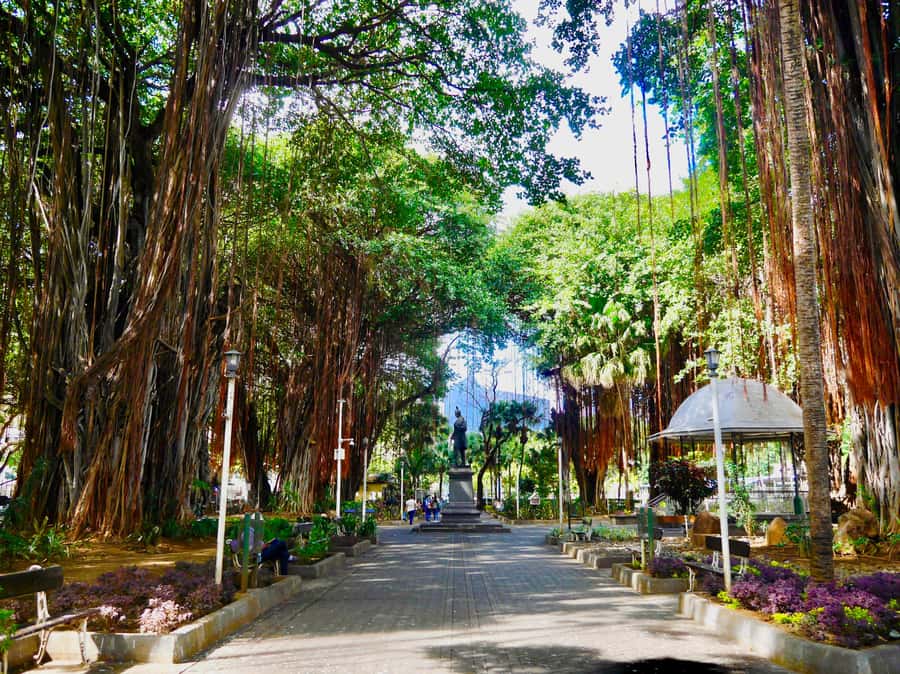
Reviewed · CITY TOURS
Port Louis: Street Eats and City Highlights Walking Tour
Port Louis reveals itself best one bite and one street at a time. This three-hour walk links China Town, Jummah Masjid, the Natural History Museum, and Central Market with generous tastings of Mauritian food. Guide Adrien brings the city’s past and present together in a friendly, personal way.
I like two things here: the small eight-person limit, which gives you room to ask questions, and the way food is tied to the island’s Chinese, Indian, African, French, and Mauritian influences. The stop at the Dodo display also adds a useful historical touch beyond the eating.
The main drawback is the heat. You’ll walk about 3 kilometers through central Port Louis, and shade is not guaranteed at every point. Wear light clothing, bring sunscreen, and take the supplied bottled water seriously.
Key points at a glance
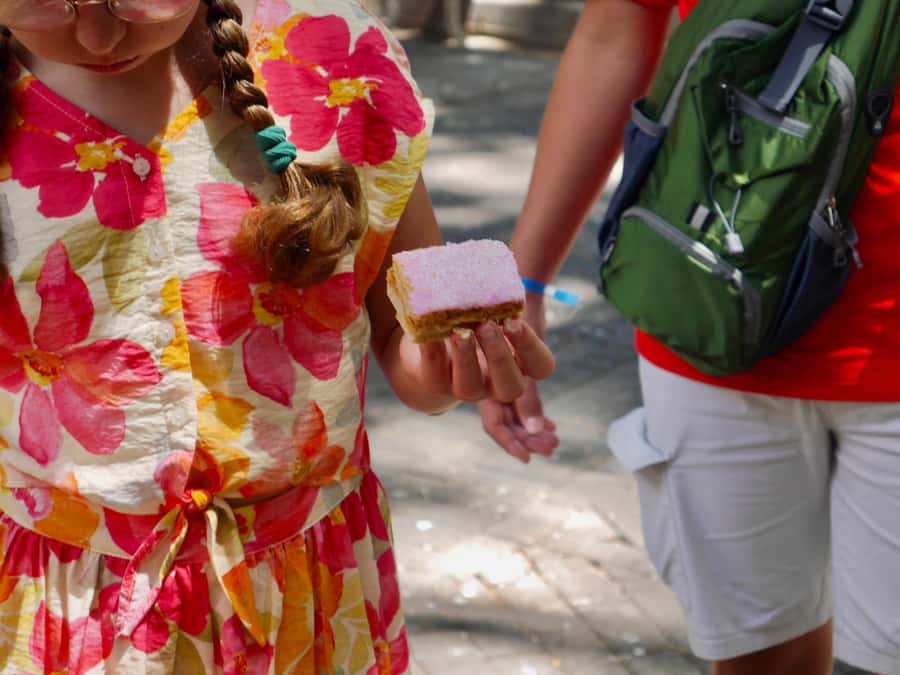
- China Town starts the food story: Taste dishes shaped by Chinese and Mauritian traditions, with street art along the way.
- Adrien is the tour’s human highlight: He explains local life, answers questions across a wide range of subjects, and makes time for each person.
- The food is tied to place: Tastings come from local businesses rather than being presented as a detached sampling menu.
- Four central stops create a useful city introduction: You see religious, historic, culinary, and market life in one compact route.
- The 3-kilometer walk is manageable but active: Comfortable shoes matter, especially in hot or rainy weather.
- The $41 price covers the core experience: Food, bottled water, and entry to all included sites are part of the fee.
Port Louis through food, faith, and daily life
Port Louis is not a city you understand by ticking off one grand monument. Its character comes from movement between neighborhoods, market stalls, religious buildings, old civic structures, and small food stops. This tour gets that balance right.
You begin outside the Caudan Arts Centre, next to the bridge. That is a practical meeting point because it is easy to identify, and the route returns there at the end. From here, the walk heads into the center of the capital, where the sights are close enough to connect on foot.
The food is not treated as a side activity. It is the thread that holds the walk together. As you move through Port Louis, you taste dishes linked to the people who shaped Mauritius, then hear how those influences became part of everyday island cooking.
That approach suits you if you want more than a restaurant meal. You get context with your lunch, though you should remember that this is still a street-food walk, not a sit-down dining experience with a fixed menu.
A few more Port Louis trips to weigh up
- Mauritius: Port Louis Street Food Walking Tour
★ 4.5 · 93 reviews - Mesmerizing Ile aux Cerf: Speed Boat, GRSE, Lunch & Undersea walk (Full Day)
★ 4.0 · 22 reviews - Grand Baie: Guided Walking Food Tour
★ 4.9 · 20 reviews
China Town begins with a taste of Mauritius
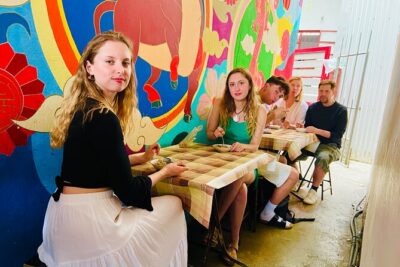
The first food stop is in China Town, with about 20 minutes set aside for tasting. This is a smart opening because it introduces the island’s mixed food culture right away. The dishes here reflect both Chinese and Mauritian traditions rather than presenting them as separate worlds.
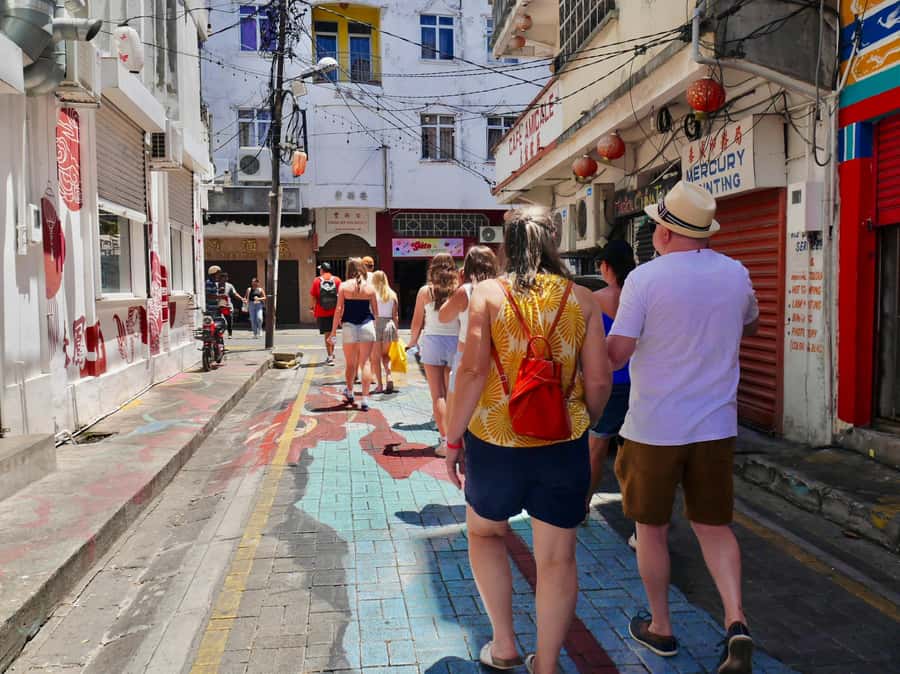
You also have a chance to see street art in the area. That gives the opening section a visual lift and helps you read China Town as a living part of Port Louis, not simply a historic label on a map.
The exact food selection can vary, so you should think of the stop as a guided introduction rather than a promised list of particular dishes. Dietary needs should be shared when you book. That matters on a tasting tour, where several small portions may include ingredients you need to avoid.
The group size helps here. With no more than eight people, it is easier to stay together in busy streets and easier to ask what you are eating. Adrien is praised for explaining food in relation to the island’s wider culture, which is more useful than simply naming each dish and moving on.
Jummah Masjid adds a quieter pause
After China Town, the walk reaches Jummah Masjid for a 10-minute visit and guided explanation. This short stop gives the tour a change of pace. Instead of focusing only on flavor and movement, you get a look at the religious life of the capital.
The building’s cultural and religious importance is part of the guide’s explanation. Ten minutes is enough for an introduction, but not enough for a long architectural study. That is worth knowing if you are hoping for extended time inside each site.
Still, the brief visit works well within a three-hour route. Port Louis has several layers to show you, and keeping this stop short leaves room for the market and food tastings later. Listen closely here, since the guide is doing more than pointing out a building. He is helping you place it within the city.
The central food walk takes up an hour
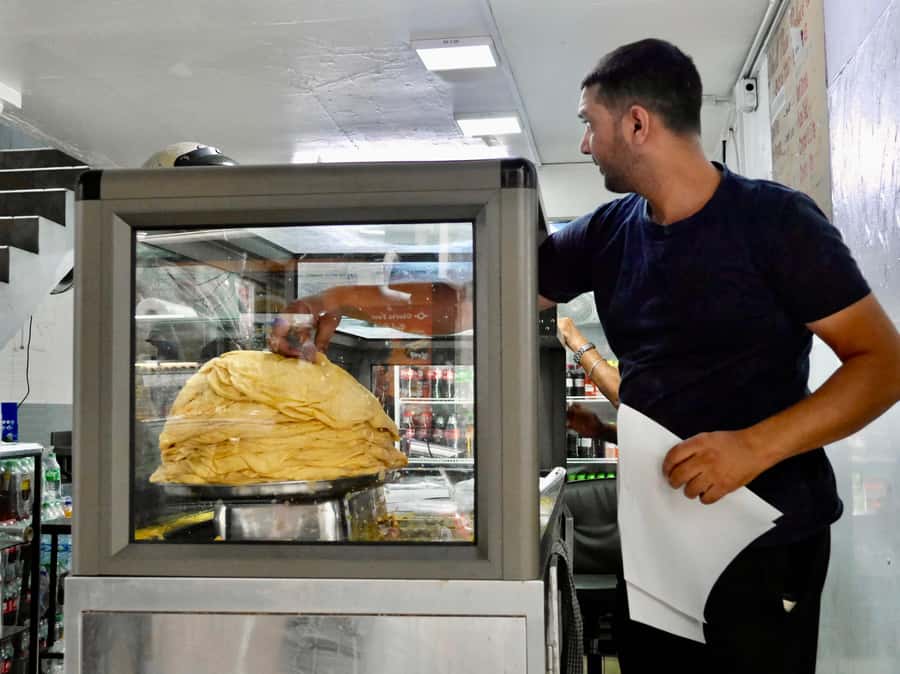
The longest part of the tour is a one-hour guided walk through Port Louis with more street-food tastings. This is where the experience earns its price for many people. You are not just sampling one signature dish. You are trying a range of Mauritian staples while walking through the streets where local food is part of normal life.
The food choices are designed to show the island’s mixed traditions. You might find Chinese-influenced items alongside other local staples, with the guide explaining how different communities and migration patterns shaped what people eat today. The supplied information does not promise a fixed menu, so arrive ready for variety rather than expecting specific dishes.
This section is also where Adrien’s style matters most. He is described as friendly, funny, and happy to speak with each person about Mauritius or the country they come from. That makes the walk feel less like a lecture and more like a conversation that happens to include lunch.
The pace may be comfortable for most people, but the route is still active. The distance is about 3 kilometers overall, and Port Louis can be hot. Water is included, and the guide has been attentive about using shade where possible, but you should still carry sunscreen and insect repellent.
A useful tip: do not eat a large breakfast before you arrive. The tour promises enough tastings to make a proper meal of it, and you will get more from the experience if you have room to try each stop.
Same island, a completely different day out:
- Mauritius: Tamarind Falls Highlights 3-Hour Hiking Trip
★ 4.9 · 588 reviews - Mauritius: Exclusive South West Tour
★ 4.8 · 523 reviews - Port Louis: Street Food & City Tour
★ 4.7 · 518 reviews - Mauritius North: Private Paradise Tour with Gardens, Markets
★ 4.8 · 446 reviews
The Natural History Museum brings in the Dodo
The Natural History Museum, also referred to in the tour details as the Mauritius Historical Museum, receives about 30 minutes. This is the main indoor historical stop and a welcome break after the food walk.
The star attraction is the Dodo Bird display. The dodo has become one of Mauritius’s best-known symbols, and seeing it in a museum setting gives the island’s past a more concrete shape. The stop helps balance the lively food route with a look at a creature tied closely to Mauritius’s identity.
Thirty minutes is enough for a focused visit, especially if you want to see the dodo and hear the guide’s explanation. It is not a full museum afternoon. If museums are your main interest, you may want separate time elsewhere, but for a city walk this is a worthwhile addition.
I like the placement here. You have already heard about the people and traditions that shaped present-day Mauritius. The museum then turns your attention toward the island’s natural past before the final market stop brings you back to daily life.
Central Market finishes with fruit and juice
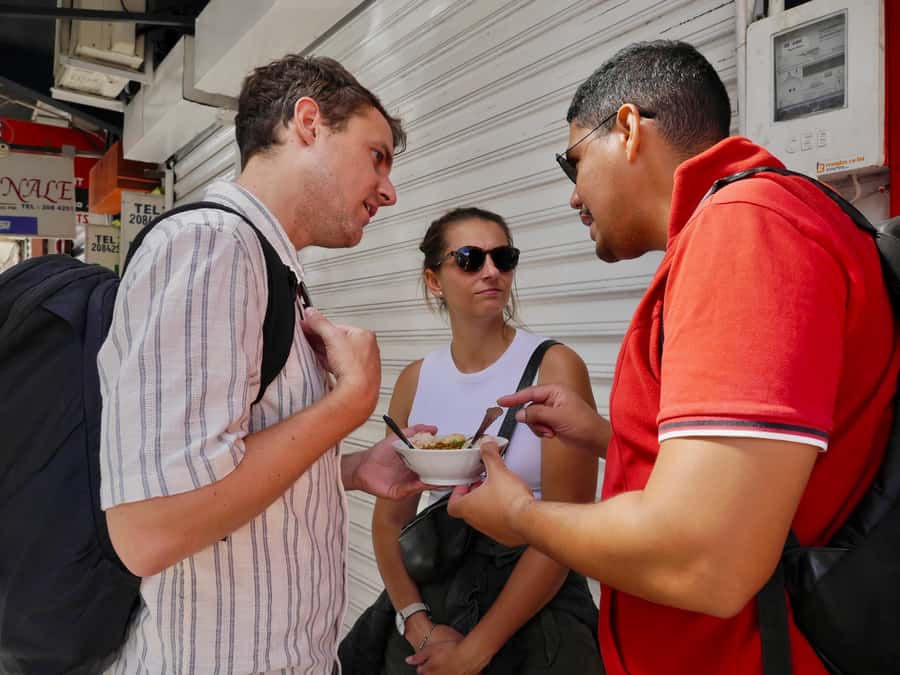
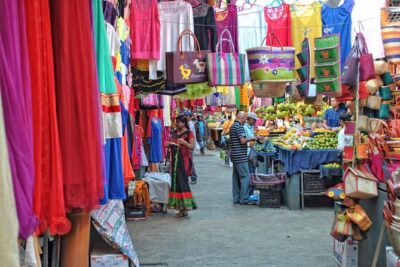
The final major stop is Central Market, with about 30 minutes for a guided visit and more tasting. This is a fitting end because markets show how a city feeds itself. The stop is less polished than a formal attraction and more connected to ordinary shopping, produce, and local rhythm.
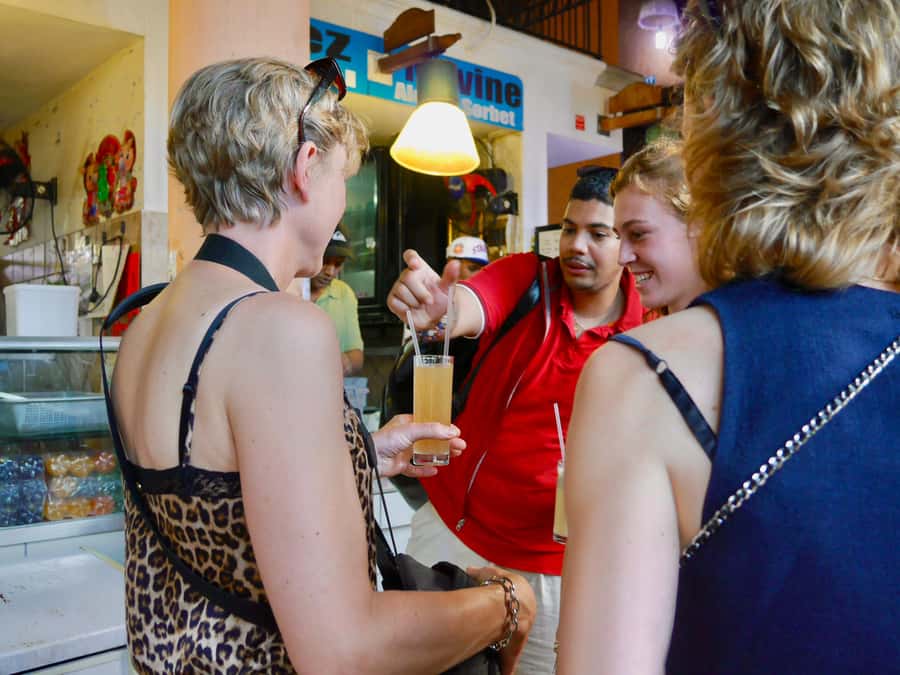
You finish the food portion with fresh fruit and juice. After heavier or savory tastings, that lighter ending makes sense. It also gives you a chance to settle your appetite before walking back to the Caudan Arts Centre.
Central Market can be busy, so stay close to the group and keep your belongings secure. The tour details do not promise time for shopping, and the price does not include souvenirs. You may have a chance to browse, but the main purpose is the guided visit and tasting.
This is also a useful place to note foods you want to try again during the rest of your stay. Ask Adrien about ingredients and preparation while you are there. A small conversation at the market can help you order with more confidence later.
What the $41 price really covers
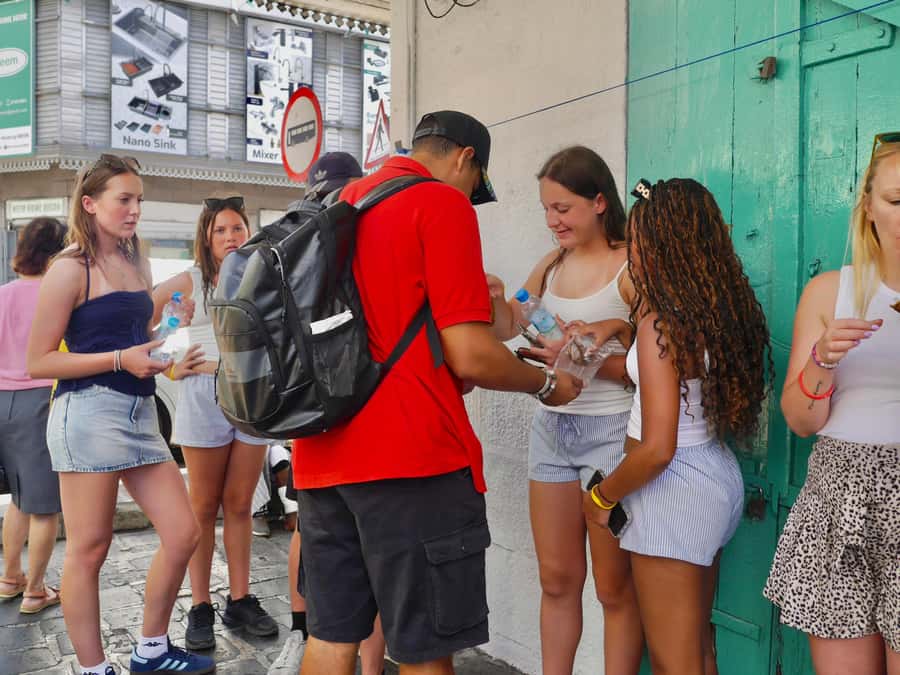
At $41 per person, this is a reasonable value if you want a compact introduction to Port Louis rather than arranging separate visits and food stops yourself. The fee includes all food tastings, bottled water, and entry to the included sites.
The important value is not just the number of samples. It is the combination of a local guide, a small group, cultural explanations, and several different parts of the city. You are paying for a route that connects food with history and religion, not simply for snacks.
The price is less attractive if you mainly want a long, leisurely meal or a private guide. This is a shared walk with a maximum of eight people, and the three-hour schedule has to keep moving. It also does not include hotel pickup, drop-off, or souvenirs.
Still, the small group makes the fee easier to justify. A larger food tour can become a queue with a guide at the front. Eight people is small enough for questions and personal attention without the cost of a private outing.
Adrien’s guiding style matters
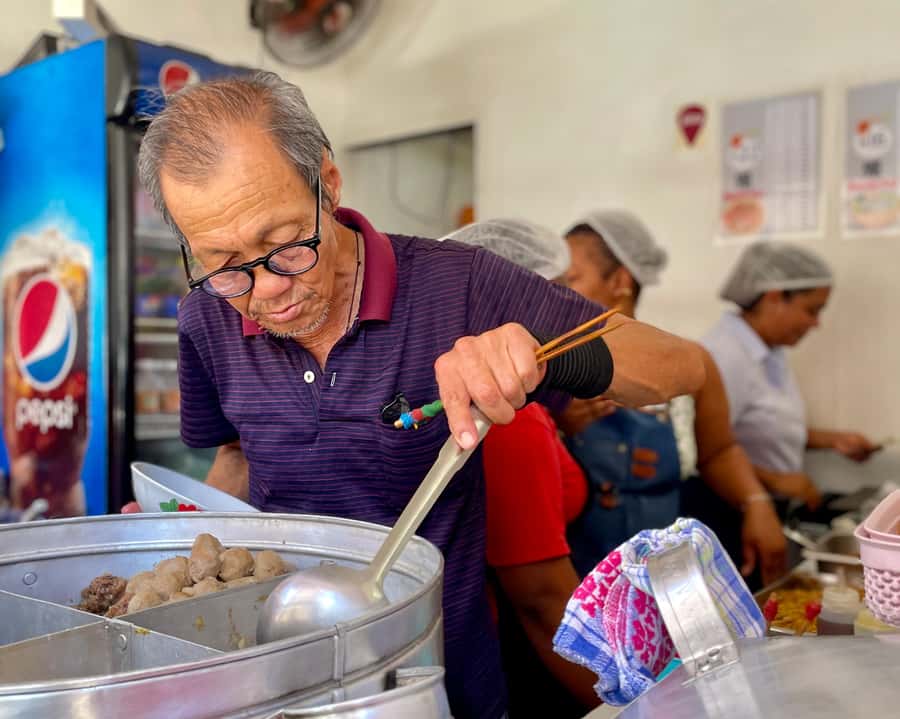
The strongest part of the experience is likely to be the guide. Adrien is repeatedly described as warm, well informed, and easy to talk with. He explains Port Louis, Mauritian history, food traditions, and present-day life without making the walk feel stiff.
He also appears willing to adapt. One account describes him personalizing the route to suit the group’s needs, while another notes that he contacted late arrivals and waited at a designated point so they could join. You should not treat lateness as a booking strategy, but it does suggest a considerate approach when plans go wrong.
The tour can be conducted in English, French, or Mauritian Creole. The activity details specifically list English and French, so if Mauritian Creole is important to you, confirm availability at booking. The language flexibility is useful in a mixed international group.
The guide’s conversational approach is especially valuable if you have questions about more than monuments. You can ask about food, customs, the city, or life in Mauritius and get a more personal introduction than a recorded audio guide can provide.
Heat, rain, and walking comfort
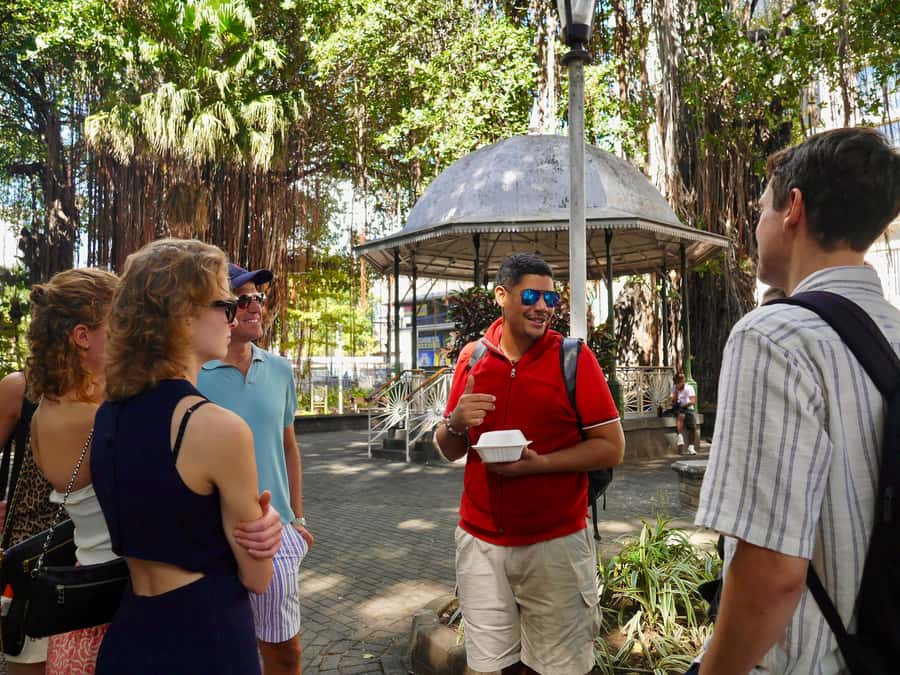
Plan this tour around the weather. Port Louis can be very hot, and the route includes outdoor walking between stops. Comfortable shoes, sunscreen, and insect repellent are specifically recommended. Bring a hat if you use one, though that item is not listed as required.
Bottled water is included, and the guide may use shaded areas when possible. Even so, you should not assume the whole route will be shaded. Wear breathable clothing and avoid arriving already tired from a long morning of sightseeing.
Rain does not automatically cancel the tour. It goes ahead unless official dangerous-weather warnings are issued. A light rain jacket or compact umbrella would be sensible, though those items are not specifically listed among the requirements.
The route is not suitable for wheelchair users or people with mobility impairments. It is also not suitable for people with hearing impairments, since the experience depends heavily on spoken guiding in a busy urban setting. Children must be accompanied by an adult over 21.
Who should book this Port Louis walk?
I would choose this tour for a first visit to Port Louis, especially if you want food and city orientation in the same morning or afternoon. It is a good fit for curious eaters, couples, small families with older children, and anyone who prefers local stalls and small businesses to formal dining.
You will get the most from it if you enjoy walking, trying unfamiliar foods, and asking questions. The group limit makes it easier to speak with Adrien, but you still need to be comfortable sharing the experience with other people.
I would be more cautious if you have strict dietary restrictions, limited stamina, or want a private itinerary. The operator asks you to share dietary requirements when booking, but the available information does not confirm how many alternatives can be provided.
The tour also works well early in a Port Louis stay. After three hours, you will have a better sense of the city center, the market, and the kinds of food you may want to seek out again. If you are visiting on a cruise or have only a short window in the capital, check your timing carefully because hotel transfers are not included.
Should you book the Port Louis Street Eats tour?
Book it if you want a friendly, food-led introduction to Port Louis with real city walking, several cultural stops, and a guide who takes time to talk with you. The 4.9 rating from 73 bookings matches the experience’s clear strengths: Adrien’s personal approach, well-chosen food stops, and the strong mix of culture and cuisine.
Skip it if you need step-free access, dislike shared tastings, or want a slow museum-focused tour. For most able-bodied visitors who can handle heat and a 3-kilometer walk, $41 is a fair price for food, water, admission, and three hours of guided context.
FAQ
How long does the Port Louis street-food tour last?
The tour lasts three hours and covers an estimated distance of 3 kilometers on foot.
Where does the tour begin and end?
It begins outside the Caudan Arts Centre in Port Louis, next to the bridge, and returns to the Caudan Arts Centre at the end.
What food and drinks are included?
All food tastings and bottled water are included. The final market stop includes fresh fruit and juice.
Which languages are available?
Tours can be conducted in English, French, and Mauritian Creole. The activity information specifically lists English and French, so confirm Creole availability when booking.
How many people are in the group?
The tour is limited to a maximum of eight participants.
Is the tour suitable for people with mobility impairments or wheelchair users?
No. The tour is not suitable for people with mobility impairments or wheelchair users. It is also listed as unsuitable for people with hearing impairments.
What happens if it rains?
Rain does not normally cancel the tour. It is canceled only when official dangerous-weather warnings have been issued.
Just added around Port Louis
- Tea Route: Lake, Forest, Tea Plantation & 3 Course Lunch★ 3.6 · 7 reviews
- Unveiling the Ancient and Modern Port Louis – city tour★ 4.7 · 13 reviews
- Full Day Private car only Guided SOUTH WEST of Mauritius★ 4.5 · 8 reviews
- Private A/C CAR Guided FULL DAY tour North of Mauritius★ 4.0 · 5 reviews
- Full Day Shared Speed Boat in Ile Aux Cerfs Lunch & Transfer incl★ 4.0 · 6 reviews
- 8-Hour Private City and North Tour in Mauritius★ 4.5 · 4 reviews
- Mauritius Guided South Tour (Private)★ 5.0 · 9 reviews
- ROUTE OF INDIAN SPIRITUALITY★ 5.0 · 7 reviews
City Tours, compared.
Historical Guided Day Tour : City – Sugar World – Botanical Garden
Read our review →
Unveiling the Ancient and Modern Port Louis – city tour
Read our review →
Historical Private Guided Tour, City-SugarWorld-Botanical Garden – Min.2 persons
Read our review →
Full-day Private Mauritius Shopping Tour: including a Visit to the Capital City
Read our review →Browse the lists this tour appears in