
Reviewed · TROU D'EAU DOUCE TOURS
Tea and Culture Route
Grand Bassin gives this private Mauritius tour its strongest moment: a sacred lake, Hindu shrines, and a giant Shiva statue rising above the southern highlands. From there, you move into tea country and finish with agricultural rum at Saint Aubin. It is a good way to connect religion, farming, and island history in one day.
I like the private format, especially for two or three people who want a guide to explain Hindu customs rather than simply point at monuments. I also like the combination of tea tasting and rum production, since these are working parts of Mauritius rather than attractions built only for sightseeing.
The main drawback is the short stop at Vacoas. The Mare aux Vacoas reservoir is important as a water source, but one guest found it less interesting than spending extra time at Grand Bassin or the tea factory. Entrance fees, lunch, and drinks are also extra.
Key points to know before booking

- Grand Bassin connects scenery with Hindu culture, including a giant Shiva statue and a sacred lake.
- Bois Cheri includes tea production, a museum, plantation views, and tastings, with Mauritian vanilla tea among the flavors available.
- Saint Aubin adds agricultural rum and family history to the day, though alcoholic drinks cost extra.
- A private vehicle and guide let you set the pace, with only your own group taking part.
- The price is $111.58 per group of up to three, making it strongest value for a couple or small family.
- The full outing lasts about 6 to 7 hours, but traffic and transfer times can change the schedule.
A private route through southern Mauritius
This is not a single-theme excursion. It links several pieces of Mauritian life: water supply, Hindu belief, sugar and tea farming, and rum production. That mix gives the day more substance than a simple scenic drive.
You are collected at your hotel and travel with a professional driver-guide. The experience is private, so your group does not share the vehicle or sightseeing time with strangers. That matters here because the schedule includes several short stops, and a guide can explain what you are seeing instead of leaving you to decode it alone.
The tour takes roughly six to seven hours. Exact transfer times depend on traffic and the time of day, so you should keep some flexibility in your plans. Several departure times are available, which helps if you are fitting this outing around other plans in Mauritius.
The price is $111.58 for a group of up to three people. For one person, that is not especially cheap. For two or three people, it becomes a practical private-tour price, particularly since hotel pickup and drop-off are included. You still need to budget for entrance tickets, lunch, drinks, and any alcoholic drinks at Saint Aubin.
Other Trou dEau Douce days people book alongside this one:
- Mauritius: Ile Aux Cerfs Catamaran Trip w/ Lunch & Transfer
★ 4.3 · 1,922 reviews - Trou d’Eau Douce: 5 Island Adventure with BBQ & Snorkeling
★ 4.7 · 1,052 reviews - Mauritius: Catamaran Cruise to Ile Aux Cerfs with BBQ Lunch
★ 4.3 · 925 reviews
Mare aux Vacoas: an important stop with limited sightseeing
The first stop is Mare aux Vacoas near Vacoas. It is the largest lake in Mauritius and the main water reserve supplying potable water to the nation and people living in the upper Plaines Wilhems.
That makes the reservoir important, but importance does not always equal excitement. The planned visit is only about 10 minutes, and there is no admission charge. You can take in the surrounding highland views and learn why this body of water matters to the island, but this is mainly a brief orientation stop.
I would treat Vacoas as a useful pause rather than a major highlight. If your interests lean strongly toward culture, tea, and architecture, you may prefer more time at Grand Bassin or Bois Cheri. The private format gives you a chance to raise that preference with your guide, although the exact ability to change the schedule is not guaranteed.
Grand Bassin and the giant Shiva statue
Grand Bassin is the cultural heart of the route. This sacred lake is one of the key Hindu sites in Mauritius, and the giant statue of Shiva is a striking sight in the southern hemisphere. The planned stop lasts about 30 minutes, with no admission fee.
Your guide can explain the island’s Hindu culture and give meaning to the religious buildings and statues around the lake. That context is valuable. Without it, you might see a large statue and a scenic body of water. With an explanation of the site’s religious role, the visit becomes a clearer look at the beliefs carried to Mauritius by Indian workers and their descendants.
Allow time to be respectful. Grand Bassin is a religious place, not just a photo stop. Listen to your guide’s advice about behavior and avoid treating the shrines as a backdrop for hurried sightseeing.
The stop may feel short if you want to study every detail. That is one reason the private setup helps. A good guide can focus on the parts that interest you most, and a visitor who enjoys cultural interpretation will likely find Grand Bassin more rewarding than the brief reservoir stop.
Bois Cheri turns tea into a full story
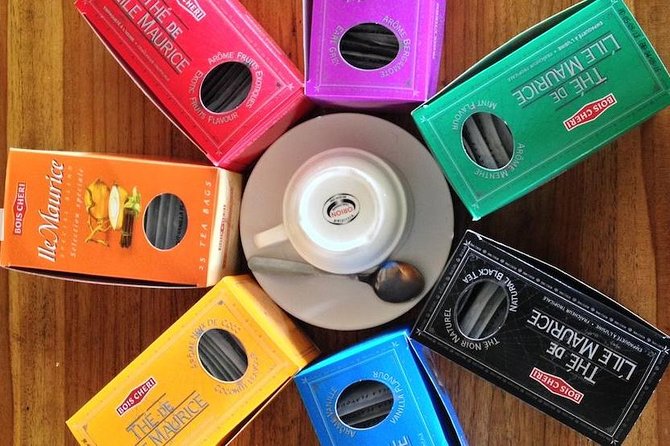
Bois Cheri is the most substantial cultural and agricultural stop. The guided visit lasts about one hour and includes the tea factory, plantation area, and tea museum. The admission ticket is not included, so check the additional cost when booking or before the visit.
The factory tour shows how tea production fits into Mauritius. Your guide leads you through the site and explains the story of Bois Cheri, the role of tea production, and the island’s tea traditions. This is more useful than simply buying a box of tea, because you see the product in its local setting and learn why it has a place in Mauritian life.
The tea museum adds another layer. It focuses on the history of tea in Mauritius, giving you a chance to connect the machinery and fields with the people and businesses behind the industry. The exact amount of factory activity you see can vary, but the visit is designed to explain production rather than offer only a tasting counter.
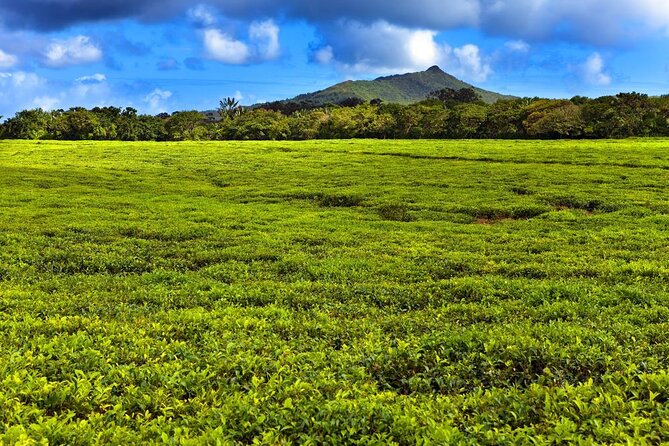
Bois Cheri also provides wide views across the south. The plantation setting gives the tour one of its best scenic pauses, and the highland location offers a change from coastal Mauritius. The views are part of the appeal, but the main value lies in combining scenery with a working food tradition.
You may taste Mauritian vanilla tea as well as flavored teas, green teas, and herbal teas. Tea tasting is clearly one of the strongest reasons to book this route. If you enjoy local food products, leave room in your luggage for purchases, although the supplied details do not specify what is available to buy or how much it costs.
The one-hour allocation is enough for an introduction, but it is not a slow, half-day tea experience. If tea is your main reason for booking, ask about the precise entrance arrangements and how much time will be spent inside the factory, museum, and tasting area.
Same island, a completely different day out:
- South-West of Mauritius Private Full-Day Scenic Tour
★ 4.5 · 421 reviews - Tropical South West of Mauritius: Full-day All Inclusive tour (Visit to 3 parks)
★ 4.5 · 279 reviews - Mauritius: Ile aux Cerf Catamaran w/Waterfall Visit & Lunch
★ 4.6 · 206 reviews - Mauritius full day : Private north tour
★ 4.5 · 193 reviews
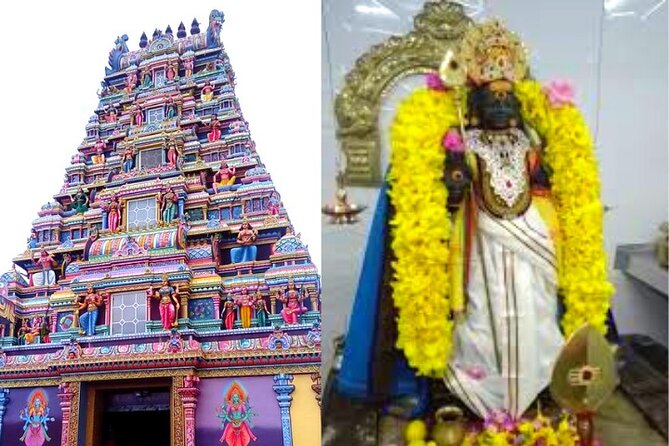
Amma Tookay Hindu Temple and its surviving statue
The Amma Tookay Hindu Temple provides a smaller, more personal cultural stop. You spend about 20 minutes here, and there is no admission charge.
Its story centers on an early temple built by hired workers from bamboo and straw. A cyclone destroyed the structure, but a statue remained. Local people reportedly tried to move the statue without success, and the surviving object became part of the temple’s story.
The temple was later rebuilt by Narainsamy Thungapen, a local planter, with help from residents. The replacement structure used wood and tin sheets. This history gives the stop a human scale. Grand Bassin presents Hindu culture on a major public stage, while Amma Tookay shows how local workers and residents maintained their faith through storms, relocation, and rebuilding.
Twenty minutes is enough for an introduction and a look around, but not a long visit. Your guide’s explanation is especially important here because the significance comes from the temple’s story, not from a large collection of formal displays.
As at Grand Bassin, approach the site with respect. This is an active religious place, and your guide can help you understand appropriate conduct.
Saint Aubin brings the day to agricultural rum
The final major stop is Saint Aubin, where agricultural rum has been produced since 2003. The property’s wider history reaches back to 1819, when Jean Baptiste Guimbeau established the family business after settling in Mauritius in 1793.
That connection gives the rum tasting more context than a standard bar visit. Saint Aubin developed through sugar, tea, agricultural rum, local products, and ecological tourism. You are seeing one part of a long-running agricultural business rather than an isolated spirits brand.
The stop lasts about one hour. You can learn how sugar-cane farming connects to rum production and sample or purchase alcoholic drinks, but alcohol is not included in the tour price. Drinks in general are also listed as extra, so plan to pay separately for tastings or refreshments.
If you do not drink alcohol, Saint Aubin can still be worthwhile for its plantation and business story, but the appeal will be narrower. The tea stop carries more value for non-drinkers because the tasting includes vanilla, flavored, green, and herbal teas. For anyone interested in Mauritian rum, though, Saint Aubin gives the day a fitting finish.
The family history also helps explain why sugar cane matters so much to the island. The tour does not present Mauritius as only beaches and resorts. It shows how agriculture shaped local business and continues to support tourism and food production.
What the private guide adds
The guide is central to the quality of this experience. The itinerary includes religious sites and industrial history that can be difficult to understand from signs alone. A driver-guide can explain Hindu customs at Grand Bassin, tell the story of Amma Tookay, and connect tea and rum to Mauritius.
Arun is one guide associated with the experience, and his clear information about Mauritian culture and history was singled out as a strength. He is not necessarily the guide assigned to every departure, so you should not assume he will lead your group. Still, the feedback points to the kind of service to expect: a friendly guide who gives information and allows time at each place.
The private arrangement also lets you ask questions without holding up a large coach. That is useful at the temple stops, where the meaning of a statue or ritual may not be obvious. It can also help at Bois Cheri if you want more detail about tea production or the museum.
Do not expect a fully flexible custom itinerary simply because the tour is private. The route and approximate stop lengths are set, and traffic can affect the day. Think of the private format as personal guidance and a smaller group, not an unlimited list of substitutions.
Who gets the best value from this tour
This experience suits a couple, family, or small group of up to three people who want culture and agriculture in one day. It is particularly useful if you have limited time in Mauritius and want hotel transportation included.
You should book it if you enjoy asking questions, tasting local products, and visiting religious and working sites. It is also a good fit if you prefer a private vehicle to a larger group excursion.
Families can participate, but children must be accompanied by an adult. Most people can take part, and a vegetarian option is available if you request it at booking. Lunch is not included, so confirm how the meal portion fits into your schedule.
This is less suitable if you want a long, relaxed visit at each attraction. The day covers five stops, with the reservoir and temple visits kept brief. It is also not ideal for someone seeking only beaches or only premium rum tasting.
Practical costs, timing, and cancellation
Hotel pickup and drop-off are included, along with the professional driver-guide. The $111.58 group price covers up to three people, so compare it as a total vehicle price rather than a per-person fare.
Entrance tickets are not included. The Bois Cheri admission is specifically listed as extra, and the general terms also exclude entrance tickets. Lunch, drinks, alcoholic drinks, and gratuities are separate. Ask for the current entrance costs before you commit, since the total can rise beyond the advertised group price.
The booking confirmation arrives at the time of booking. A minimum of two people is required, so a solo visitor cannot book this experience under the stated terms.
Free cancellation is available if you cancel at least 24 hours before the local start time. Changes made inside that window are not accepted, and a late cancellation is not refunded. The tour also requires good weather. If poor weather cancels it, you are offered another date or a full refund.
Should you book the Tea and Culture Route?
Book this tour if you want a compact, private introduction to southern Mauritius that combines Hindu culture, mountain scenery, tea, and rum. Grand Bassin and Bois Cheri are the core reasons to go, while Saint Aubin adds a worthwhile agricultural finish.
I would book it for two or three people, since that is where the group price makes the most sense. I would also tell the guide early if you would rather shorten the Vacoas stop and spend more time at Grand Bassin or the tea factory. If your priority is a slow visit with long tastings, this route may feel rushed. For a well-rounded day with personal transport and a strong cultural focus, it offers solid value.
FAQ
How long does the Tea and Culture Route last?
The experience lasts approximately 6 to 7 hours. Transfer times can change with traffic and the time of day.
How many people can join the private tour?
The price is for a private group of up to three people. A minimum of two people is required per booking.
Is hotel transportation included?
Yes. Pickup and drop-off at your hotel are included, along with a professional driver-guide.
Are entrance tickets included?
No. Entrance tickets are not included. The Bois Cheri visit specifically lists admission as extra.
Is lunch included?
No. Lunch is not included. Drinks and alcoholic drinks are also available at an additional cost.
What happens if bad weather cancels the tour?
The experience requires good weather. If it is canceled because of poor weather, you can choose another date or receive a full refund.
Just added around Trou dEau Douce
- Trou d’Eau Douce: Waterfall and Ile aux Cerfs Day Trip★ 4.6 · 9 reviews
- The beautiful East of Mauritius:incl Blue-Bay Marine Park, Crocodile park &Lunch★ 4.0 · 7 reviews
- The Wild East of Mauritius: Full-day tour including 2-hour Quad-Biking & Lunch★ 3.5 · 11 reviews
- Île aux Cerfs: Private Catamaran Cruise with Gourmet Lunch★ 5.0 · 10 reviews
- The Gorgeous East: Bois Cheri Tea factory, Rhumerie St-Aubin, Mahebourg & Lunch★ 4.0 · 5 reviews
- The Hidden Treasures of Mauritius, ALL INCLUSIVE Day Trip, Private SUV Car★ 5.0 · 13 reviews
- The East Discovery Tour: Bois-Cheri Tea Factory, Blue-Bay Marine Park & Lunch★ 4.0 · 3 reviews
- The Adventure East of Mauritius: 3-Watersport Activities & Blue-Bay Marine Park★ 4.0 · 3 reviews
Trou d'Eau Douce Tours, compared.
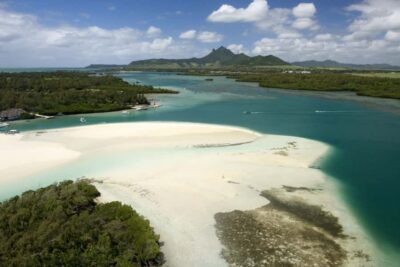
Ile Aux Cerfs Catamaran Trip w/ Lunch & Transfer
Read our review →
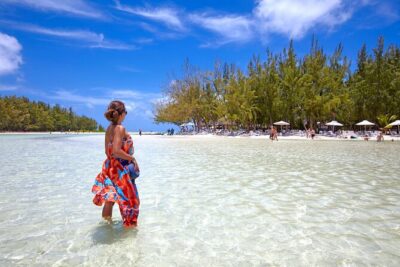
Catamaran Cruise to Ile Aux Cerfs with BBQ Lunch
Read our review →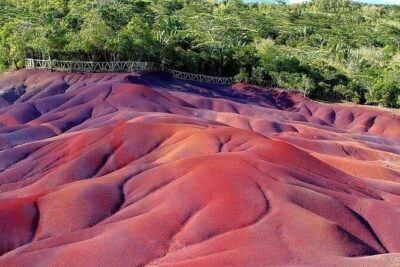
South-West of Mauritius Private Full-Day Scenic Tour
Read our review →
Tropical South West of Mauritius: Full-day All Inclusive tour (Visit to 3 parks)
Read our review →
Ile aux Cerf Catamaran w/Waterfall Visit & Lunch
Read our review →
5 Islands Speedboat w/Snorkeling Sea Turtle + Lunch & Drinks
Read our review →Browse the lists this tour appears in